Should I exercise through IVF?
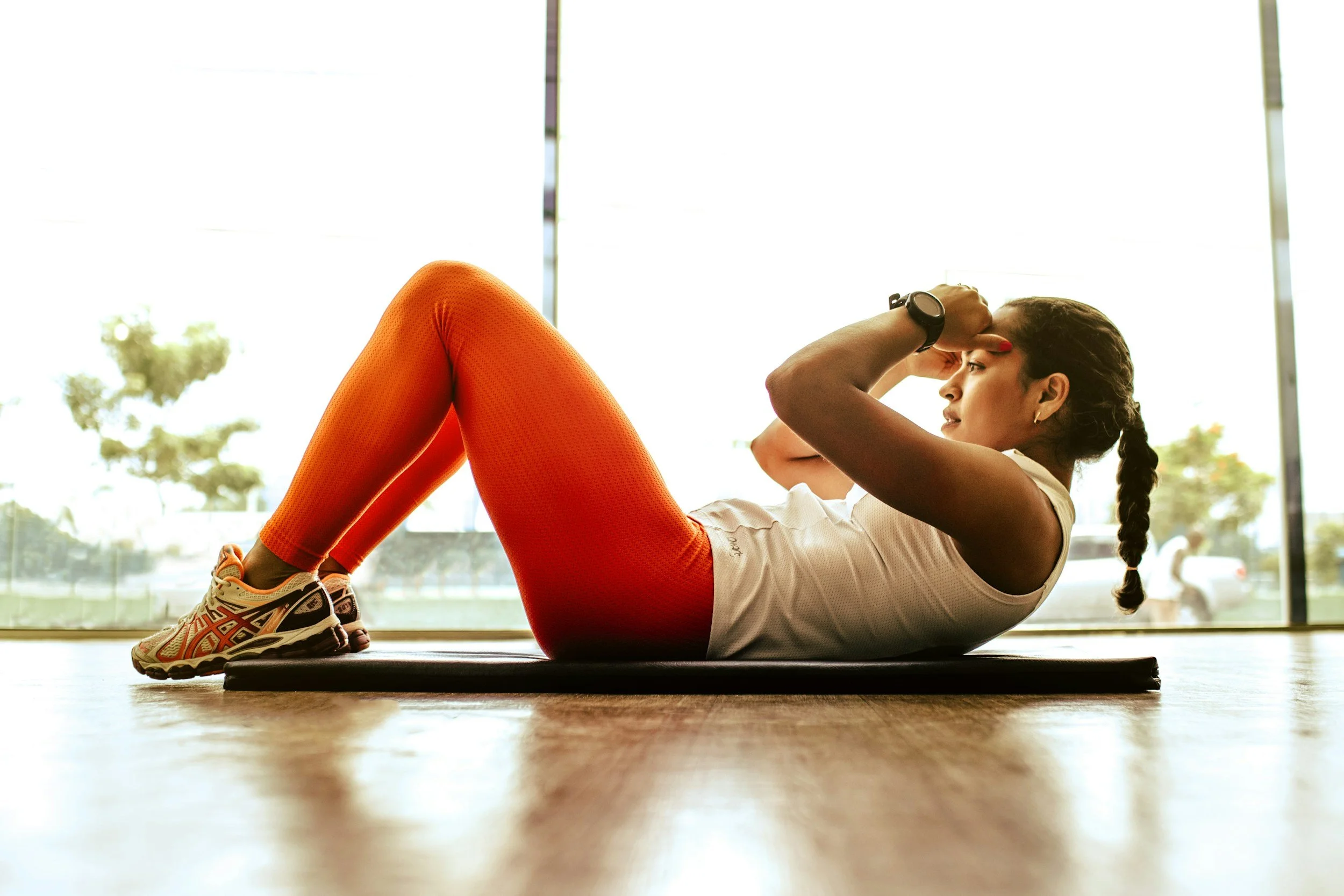
Many people are told to stop exercising during IVF, but is that really necessary? Dr. Fiona reviews the evidence on exercise during ovarian stimulation, explains why ovarian enlargement changes activity recommendations, and outlines how to stay active safely while supporting both your health and your fertility.
Read More
Exercise in Pregnancy for Baby's Brain?
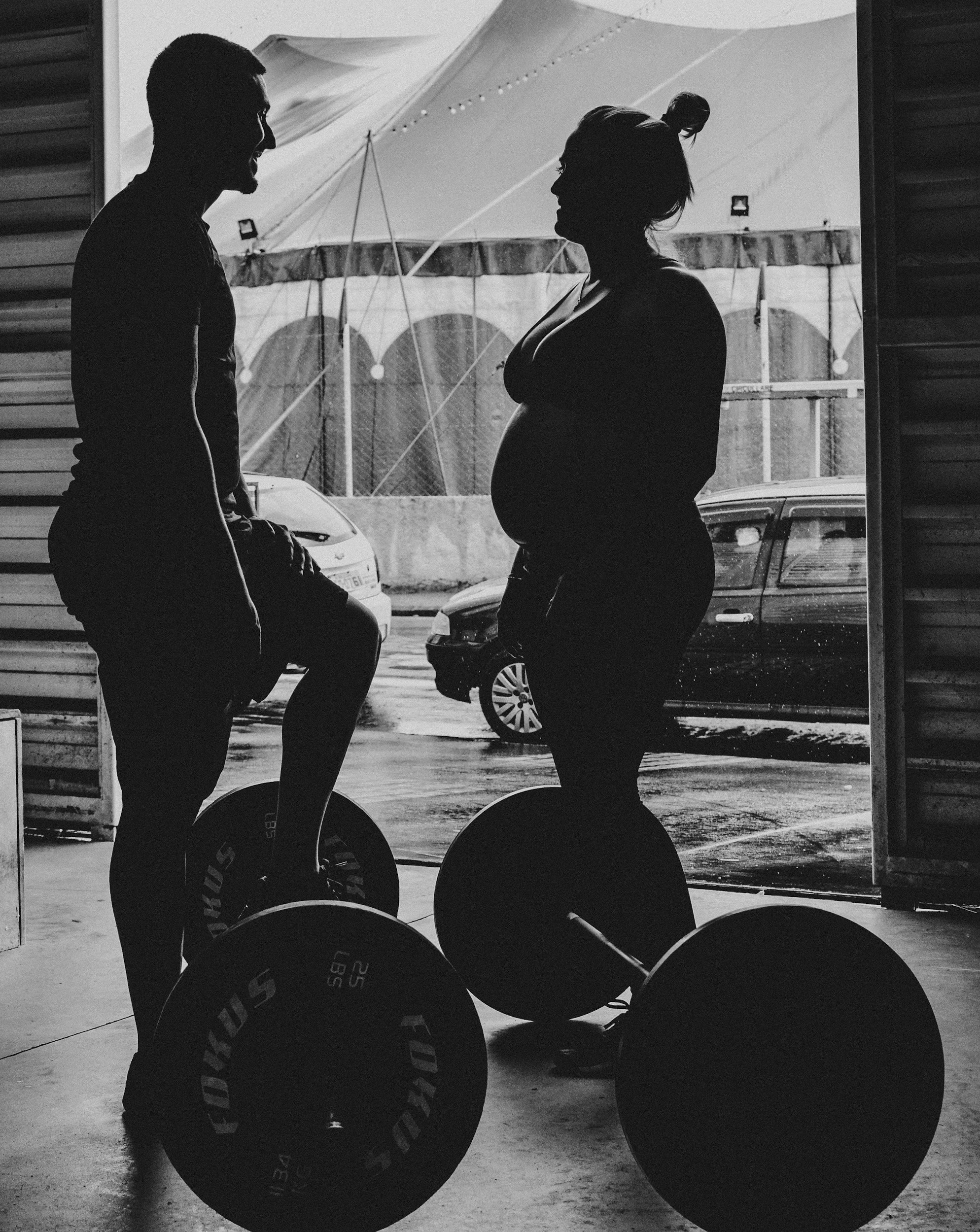
Exercise during pregnancy is recommended for the health of the pregnant person, but exciting new research suggests the benefits may extend to your baby as well. Learn how staying active before and during pregnancy may support your baby's brain, motor and cognitive development, why consistency matters more than perfection, and what this means for expecting parents.
Read More
Pain With Sex? There’s Support.
Pain during sex affects far more people than most realize, yet many never bring it up with their healthcare provider. Whether it's related to postpartum healing, endometriosis, pelvic floor muscle tension, vaginal dryness, or another underlying cause, painful intercourse is a symptom—not a diagnosis. Understanding why it's happening is the first step toward finding treatment and getting back to feeling comfortable in your body.
Read More
Before You Panic About Your AMH, Let’s Chat.
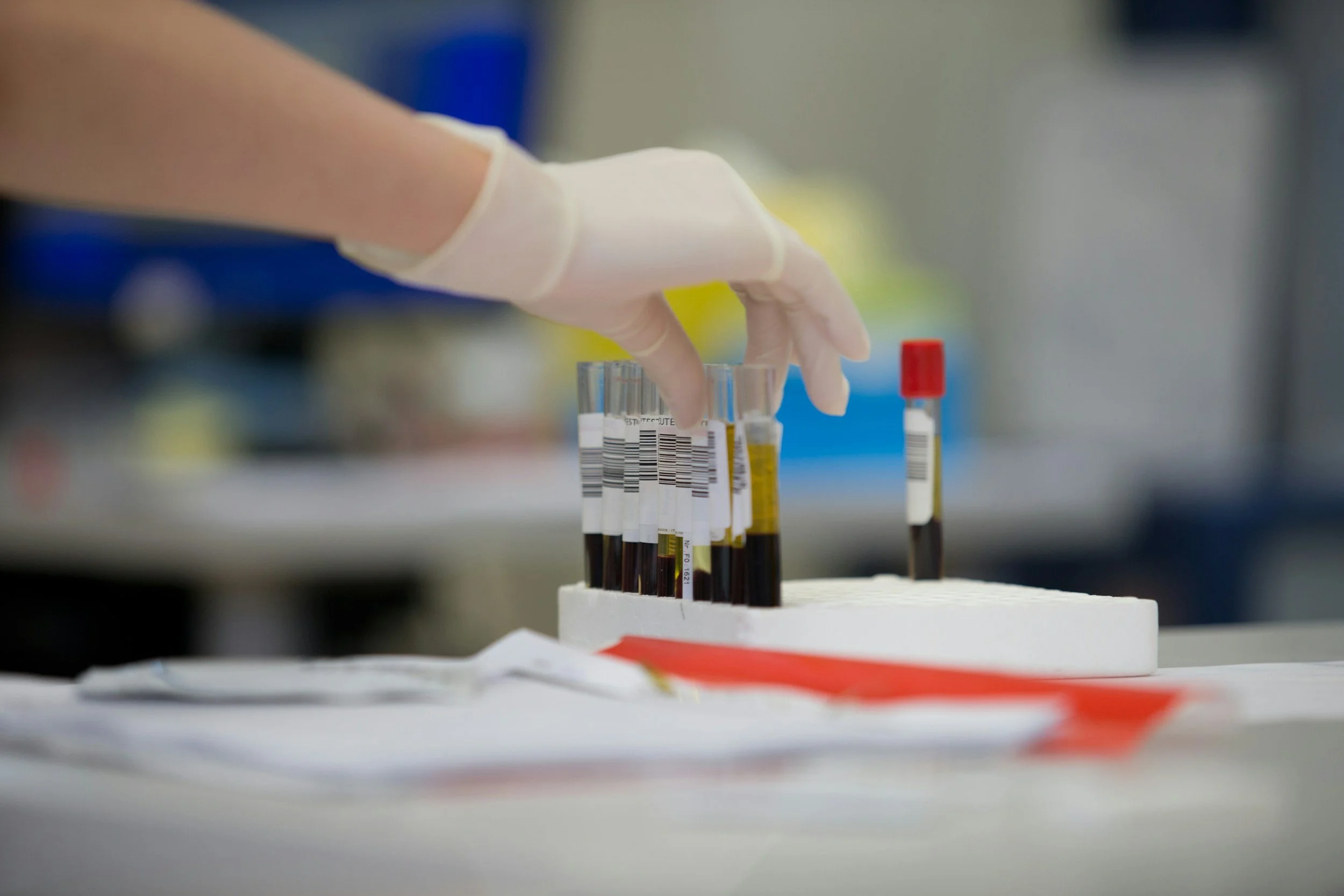
AMH is one of the most commonly ordered fertility tests—but it's also one of the most misunderstood. Whether your AMH is high, low, or somewhere in between, this hormone is just one piece of the fertility puzzle. Learn what AMH measures, what it can (and can't) tell you about your fertility, and why your results should always be interpreted in context.
Read More
Gut Health in Endometriosis?
If you have endometriosis and struggle with bloating, constipation, diarrhea, or abdominal pain, you're not alone. IBS and endometriosis frequently occur together, and their overlapping symptoms can make diagnosis challenging. In this article, Dr. Fiona Callender, ND explores the connection between endometriosis and IBS, why gut symptoms are so common, and why understanding both conditions is important for getting the right treatment and support.
Read More
Checking Your Iron in Pregnancy
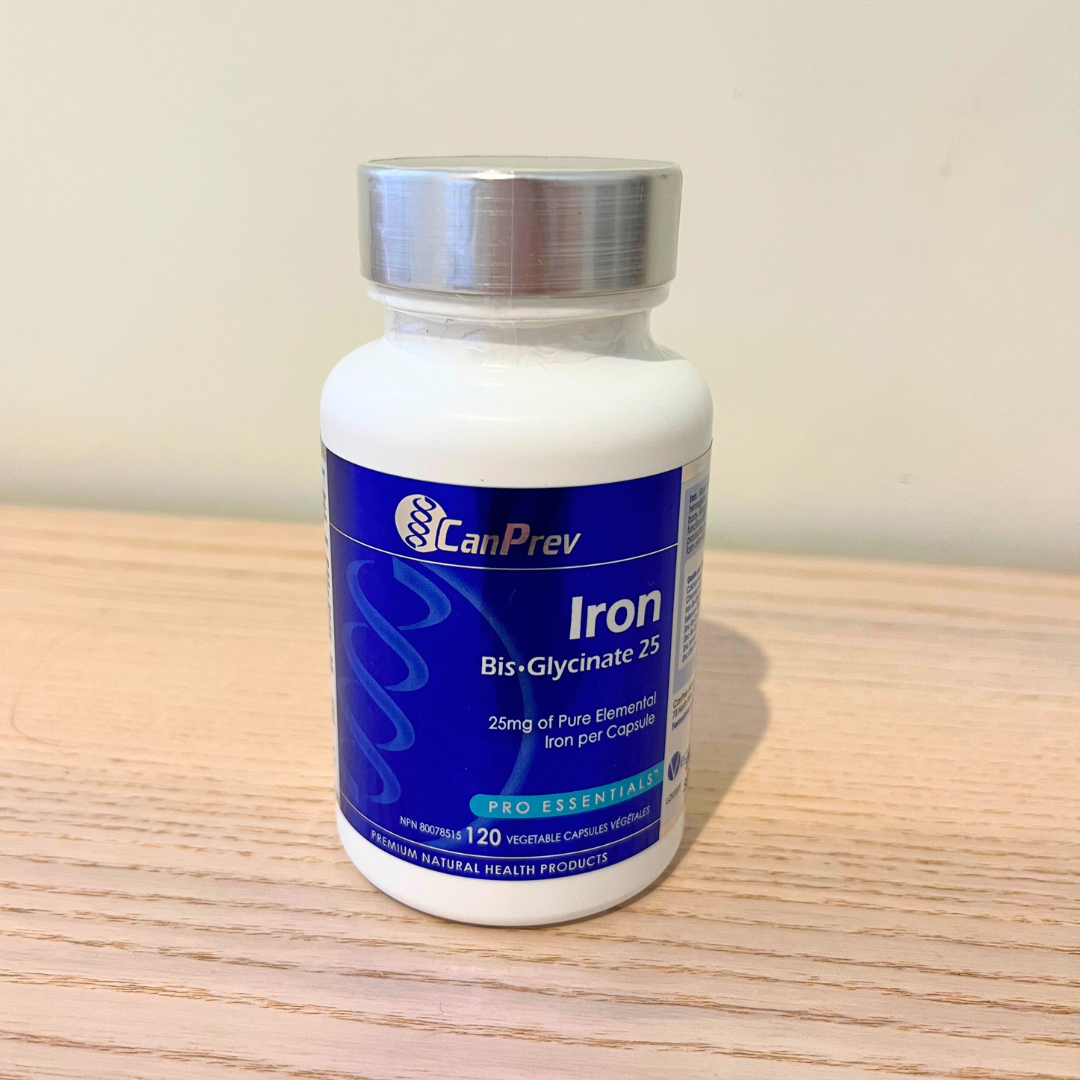
Iron deficiency is one of the most common nutritional concerns in pregnancy, affecting nearly 50% of pregnancies worldwide. Despite the prevalence, it’s not always approached with the urgency it should be, considering the critical role it plays in both fertility and pregnancy outcomes. Dr. Fiona explores the importance of iron in preconception and pregnancy care.
Read More
I Want to "Check My Fertility"
What does it really mean to “check your fertility”? From cycle tracking to lab work and imaging, Dr. Fiona’s blog breaks down the key steps in assessing your fertility, and how to know when it’s time to start.
Read More
Endometriosis: More Than Period Pain
If you’ve ever been told your endometriosis is “mild” but your pain feels anything but, you’re not alone. This post breaks down why pain and staging don’t always line up - and what real, whole-person treatment can look like.
Read More
PCOS in Pregnancy: Preventing Miscarriage
Getting pregnant with PCOS is a major milestone—but it isn’t the end of the story. PCOS is more than an ovulatory disorder; it also affects metabolism, hormones, inflammation, and cardiovascular health. These factors play an important role in placental development and can influence pregnancy outcomes. In this blog, Dr. Fiona explores what happens in pregnancy after conception with PCOS, why early monitoring matters, and how targeted support can help reduce risks and promote a healthy pregnancy.
Read More
Periods Changing? The Brain-Ovary Connection
Has your period changed, shortened, or disappeared altogether? Skipped or irregular periods are more common than you might think — especially in young, active, or high-stress individuals. One often-overlooked cause is functional hypothalamic amenorrhea (FHA), a condition where stress or low energy availability disrupts hormone signalling from the brain, leading to cycle changes and low estrogen levels. In this post, we explore what FHA is, why it happens, how it impacts long-term health (including bone density, heart health, and fertility), and when cycle changes warrant further investigation.
Read More
Exercise & Fertility
Confused about whether you should be exercising while trying to conceive? You’re not alone. In this post, Dr. Fiona Callender, Naturopathic Doctor with a focus in perinatal care, unpacks the latest research and clears up common myths about exercise and fertility. Learn how movement can support hormonal balance, what energy balance means for your cycle, and why exercise—done right—can actually boost your chances of getting pregnant, whether naturally or with IVF. Plus, find out what kind of exercise is best for PCOS and how to avoid common mistakes that may interfere with conception.
Read More