When We Feel Stuck
Have you ever found yourself repeating the same thoughts, emotions or behaviours, even when you're ready for change? Sometimes, the patterns that leave us feeling stuck are the very ones that once helped us feel safe. Explore how curiosity, self-compassion and an understanding of attachment can help us make sense of these patterns and create space for chang
Read More
Osteopathy and Pelvic Pain
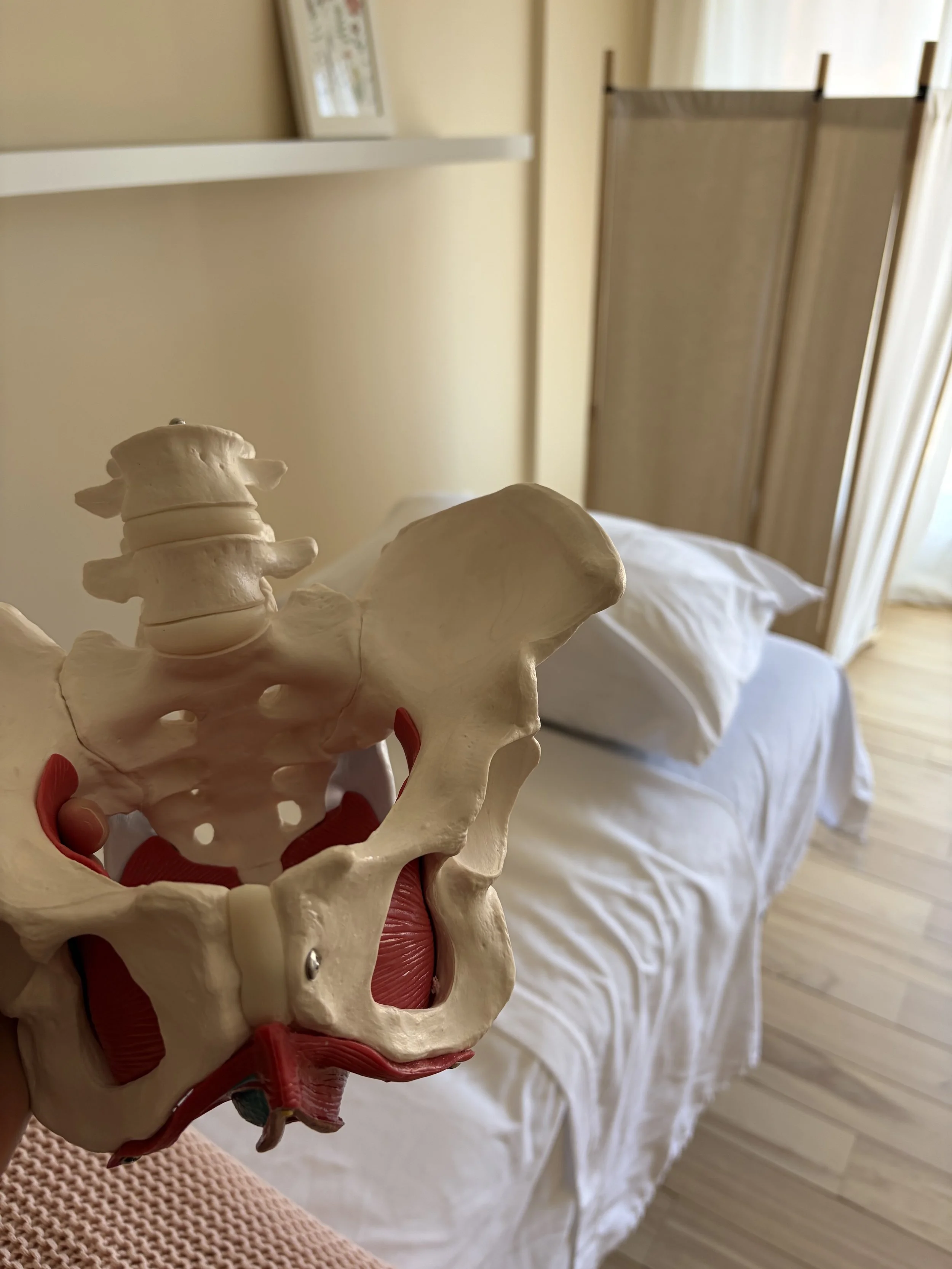
Pelvic pain isn't always just about the pelvis. When pain becomes persistent, our bodies can develop protective patterns, including muscle guarding, tension and changes in movement, that may contribute to ongoing discomfort. Learn how gentle osteopathic manual therapy can support people experiencing chronic pelvic pain and endometriosis, and why looking beyond where it hurts can be an important part of a whole-person approach to pain.
Read More
Pain, The Nervous System & The Pelvic Floor
Why can pelvic pain continue even after the original cause has been treated? Learn how the nervous system and pelvic floor muscles can get caught in a pain, tension and guarding cycle — and why understanding this cycle gives us more ways to approach chronic pelvic pain.
Read More
Pain With Sex Postpartum? It Might Be GSL.
Painful sex and vaginal dryness are common after having a baby, especially while breastfeeding, but they aren't symptoms you simply have to live with. Learn how hormonal changes during lactation can affect your vaginal, urinary and pelvic floor health, and what treatment options can help.
Read More
Why Alcohol Hits Different in Perimenopause
One glass hitting like two used to isn't in your head. Here's what perimenopause actually does to how your body processes alcohol, and what it means for your liver, brain, and hormones.
Read More
Should I exercise through IVF?
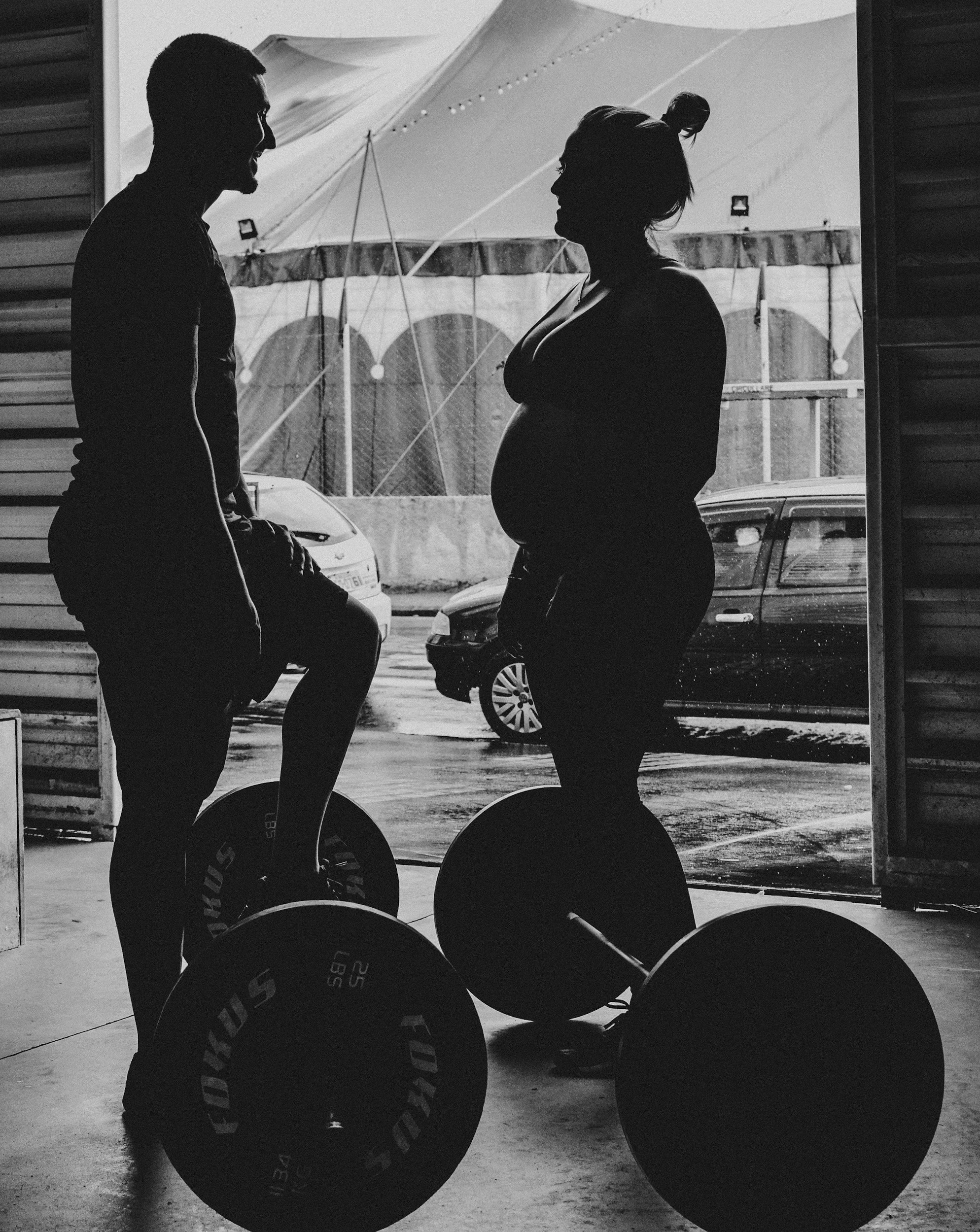
Many people are told to stop exercising during IVF, but is that really necessary? Dr. Fiona reviews the evidence on exercise during ovarian stimulation, explains why ovarian enlargement changes activity recommendations, and outlines how to stay active safely while supporting both your health and your fertility.
Read More
Exercise in Pregnancy for Baby's Brain?
Exercise during pregnancy is recommended for the health of the pregnant person, but exciting new research suggests the benefits may extend to your baby as well. Learn how staying active before and during pregnancy may support your baby's brain, motor and cognitive development, why consistency matters more than perfection, and what this means for expecting parents.
Read More
The Impact of Body Changes
Our bodies shape how we work, care for others, socialize, move, and experience everyday life. When symptoms like pain, fatigue, brain fog, or hormonal changes appear, they can affect far more than physical health. This blog explores how changes in your body can influence your routines, relationships, and identity—and how adapting your daily life can help you stay connected to what matters most.
Read More
The Science of Rest
Why do you still feel exhausted after a full night's sleep? The answer isn't always more sleep. In this blog, occupational therapy student Sydney Hillis explores the difference between fatigue and sleepiness, how your brain regulates energy, and why true recovery depends on matching rest to the demands you've been facing. Learn the science behind restorative rest and practical ways to build sustainable energy throughout your day.
Read More
Hot Flashes & Depression
Hot flashes and depressive symptoms feed into each other, but the real connection point isn't what most people think. Here's what the research says about nighttime hot flashes, broken sleep, and where hormone therapy actually fits into the mood picture.
Read More
Acupuncture & Hot Flashes
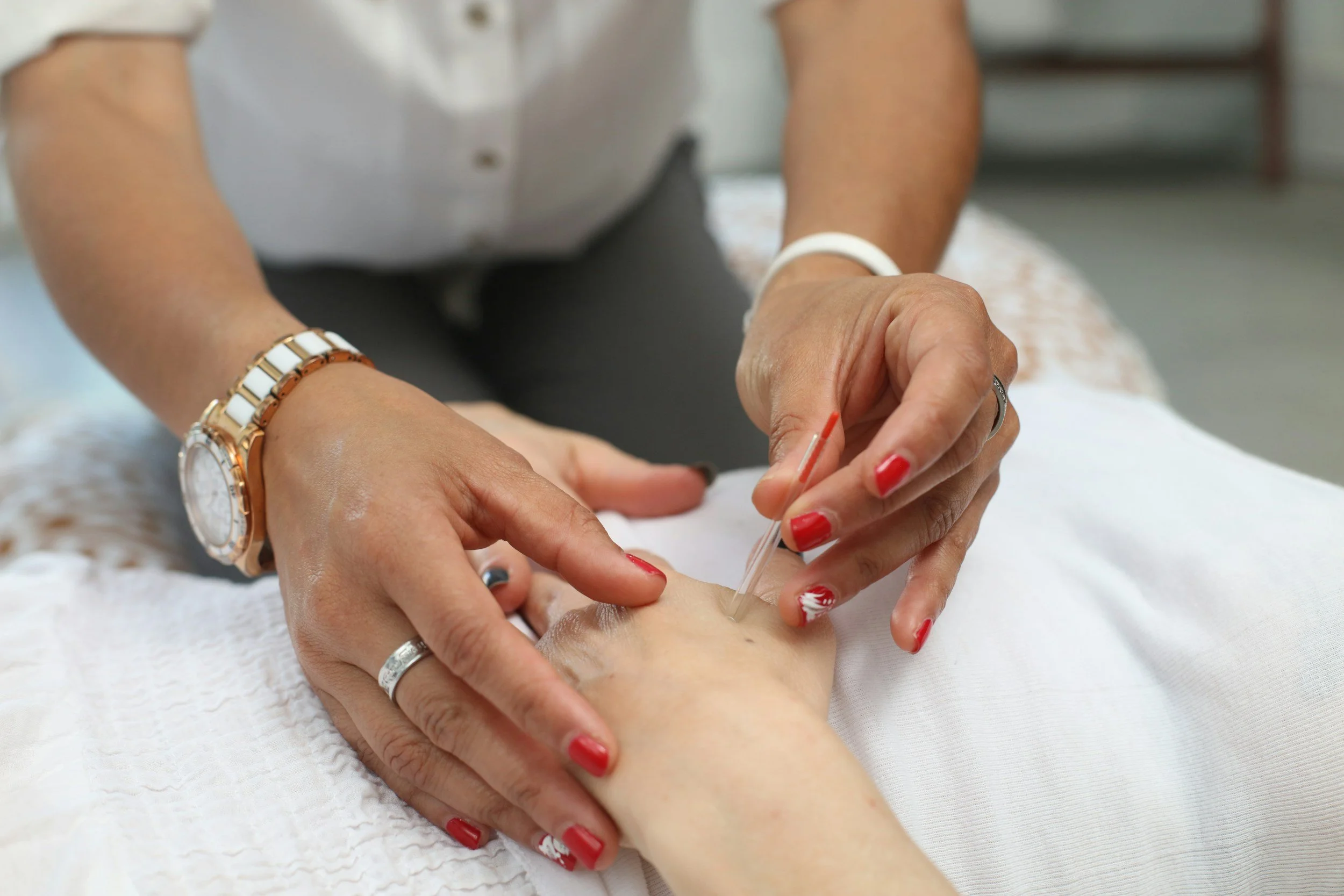
Acupuncture comes up constantly in hot flash consults, but the real evidence is more nuanced than most clinics let on. Here's what sham-controlled trials actually show, who it genuinely helps most, and what a realistic course of treatment looks like.
Read More
Pain With Sex? There’s Support.
Pain during sex affects far more people than most realize, yet many never bring it up with their healthcare provider. Whether it's related to postpartum healing, endometriosis, pelvic floor muscle tension, vaginal dryness, or another underlying cause, painful intercourse is a symptom—not a diagnosis. Understanding why it's happening is the first step toward finding treatment and getting back to feeling comfortable in your body.
Read More
Before You Panic About Your AMH, Let’s Chat.
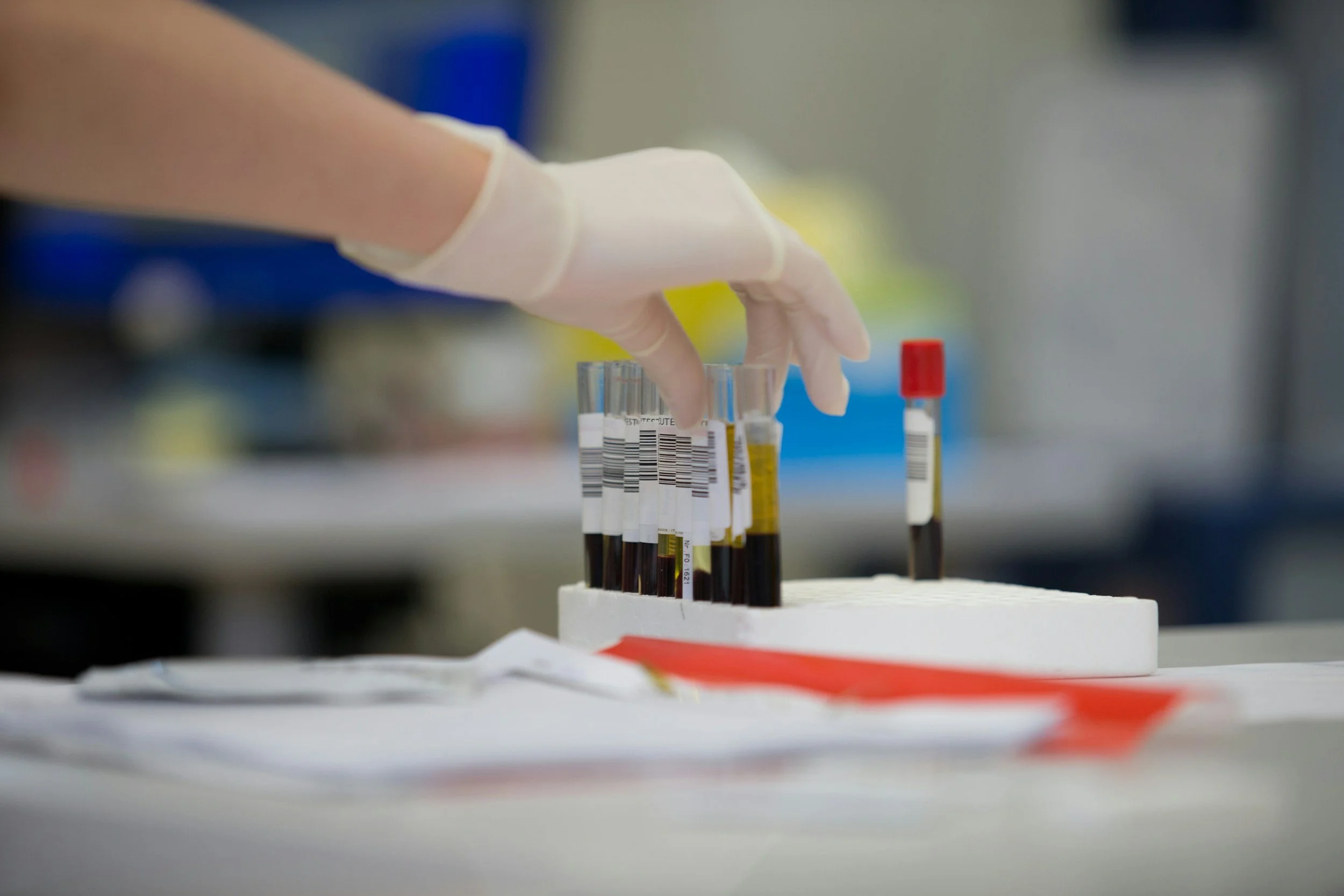
AMH is one of the most commonly ordered fertility tests—but it's also one of the most misunderstood. Whether your AMH is high, low, or somewhere in between, this hormone is just one piece of the fertility puzzle. Learn what AMH measures, what it can (and can't) tell you about your fertility, and why your results should always be interpreted in context.
Read More
Pain: The Brain-Body Connection
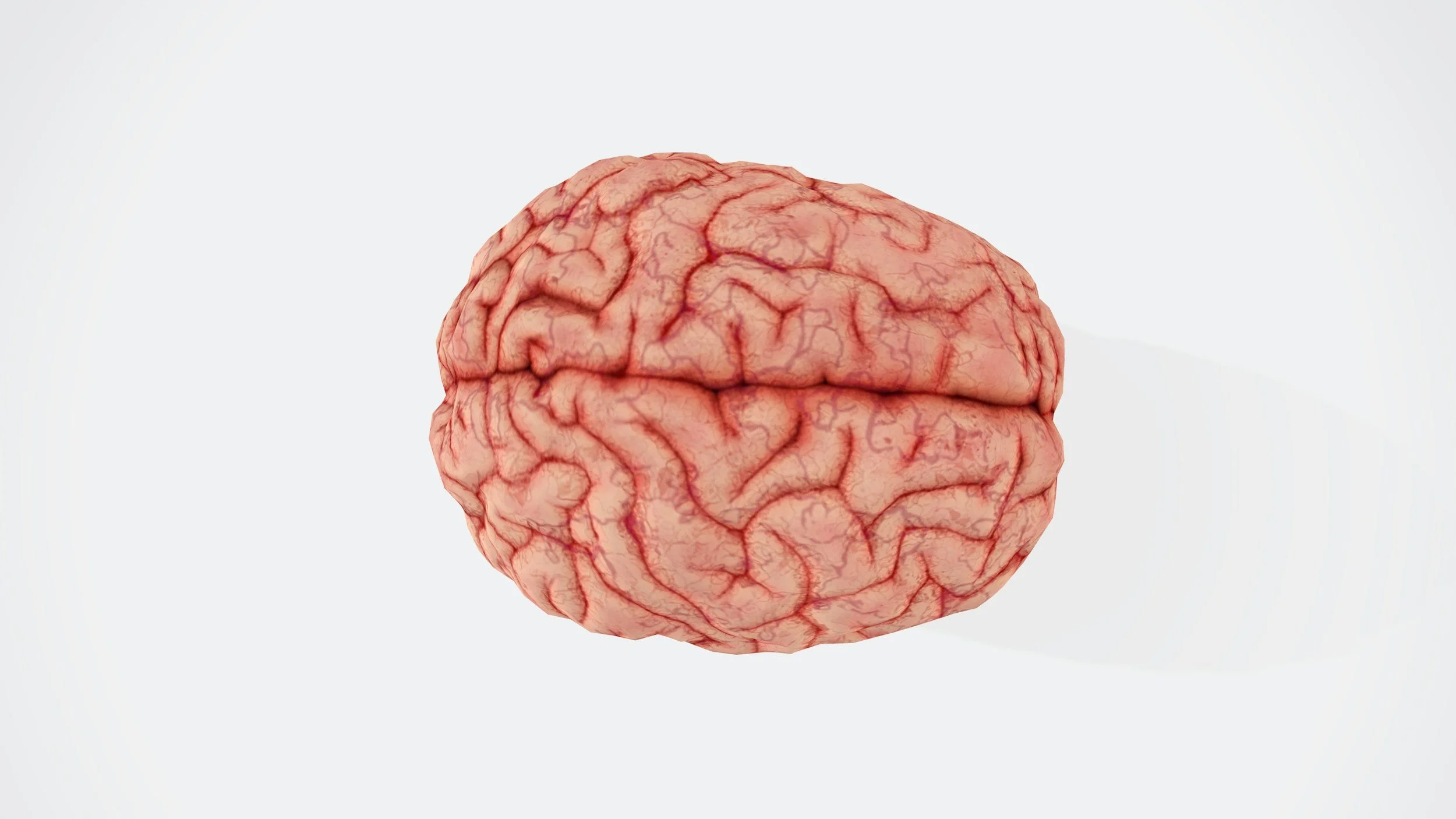
Pain, fatigue, and brain fog often go hand in hand, leaving many people feeling frustrated and wondering why everyday tasks suddenly feel so much harder. In this blog, Occupational Therapy student Sydney Hillis explores the connection between these symptoms, why they're common in conditions like chronic pain, endometriosis, postpartum recovery, and perimenopause, and how understanding the whole picture can help reduce self-blame and guide supportive, practical strategies for daily life.
Read More
Matrescence: The Invisible Transition
Becoming a mother is more than pregnancy, birth, and caring for a newborn—it's a profound transition that affects your identity, relationships, brain, emotions, and everyday life. Known as matrescence, this often-overlooked stage helps explain why motherhood can feel both joyful and overwhelming. In this blog, Occupational Therapy student Sydney Hillis explores the science behind matrescence and shares how understanding this transition can foster self-compassion and help mothers access the support they need.
Read More
Acupuncture and IVF
Acupuncture is a popular complementary therapy for individuals trying to conceive and those undergoing IVF. While research is ongoing, studies suggest acupuncture may support fertility by promoting relaxation, influencing reproductive blood flow, and helping regulate the body's stress response. In this blog, we explore the current evidence behind acupuncture and fertility, what acupuncture can and cannot do, and how a collaborative care team can help support you throughout your fertility journey.
Read More
How Useful Are At-Home Sperm Tests?
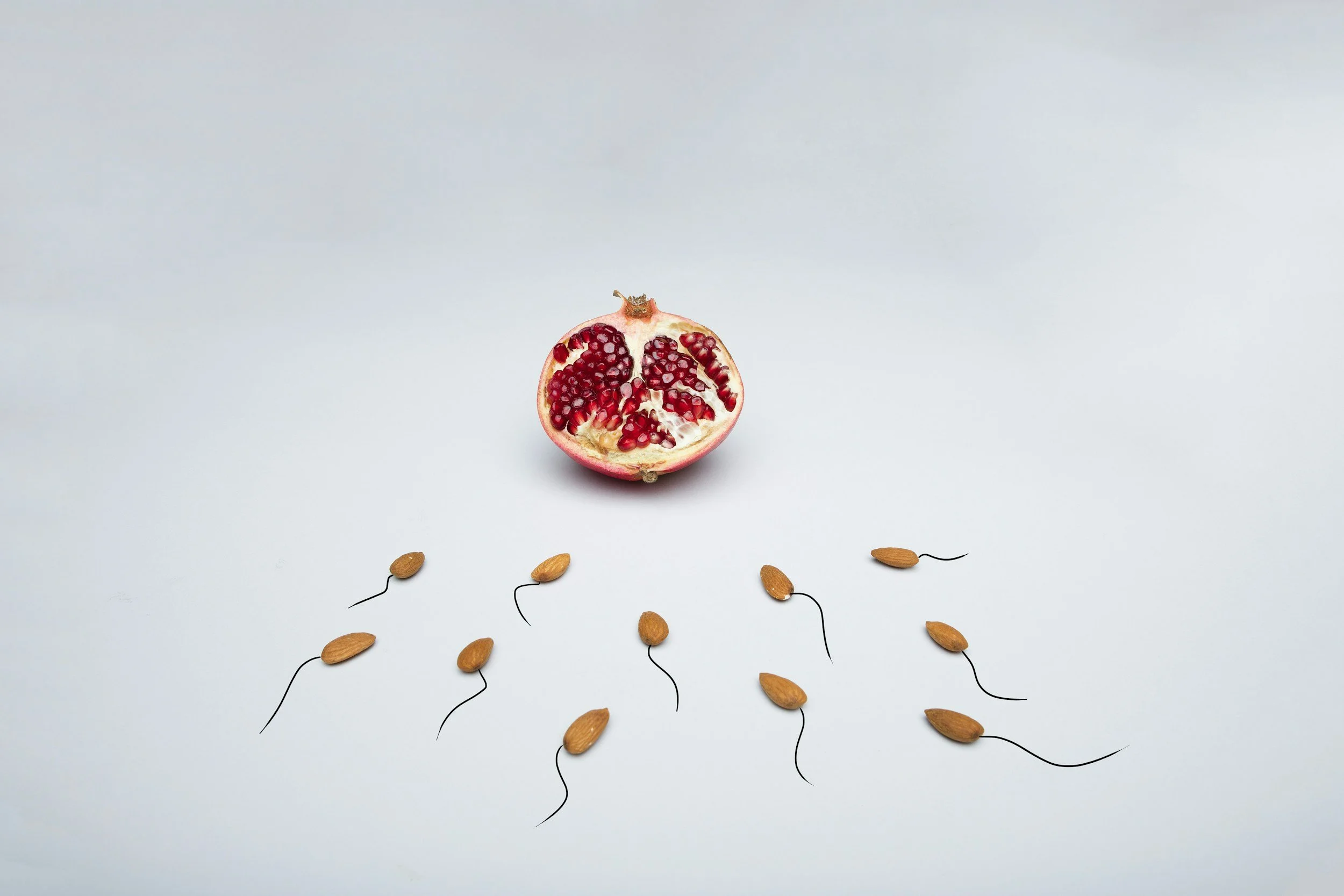
At-home sperm tests can be a convenient first step in understanding male fertility, but they don't provide the complete picture. Learn what these tests measure, what they miss, and when additional fertility testing may be worth considering. Dr. Fiona Callender, ND explores the strengths and limitations of at-home sperm testing and how to interpret the results in the context of your fertility journey.
Read More
Can We Prevent Gestational Diabetes?
A gestational diabetes diagnosis can feel overwhelming, but it is not a sign that you've done something wrong. Learn what actually causes gestational diabetes, why pregnancy changes blood sugar regulation, and what evidence-based strategies can help reduce risk and support a healthy pregnancy for both parent and baby.
Read More