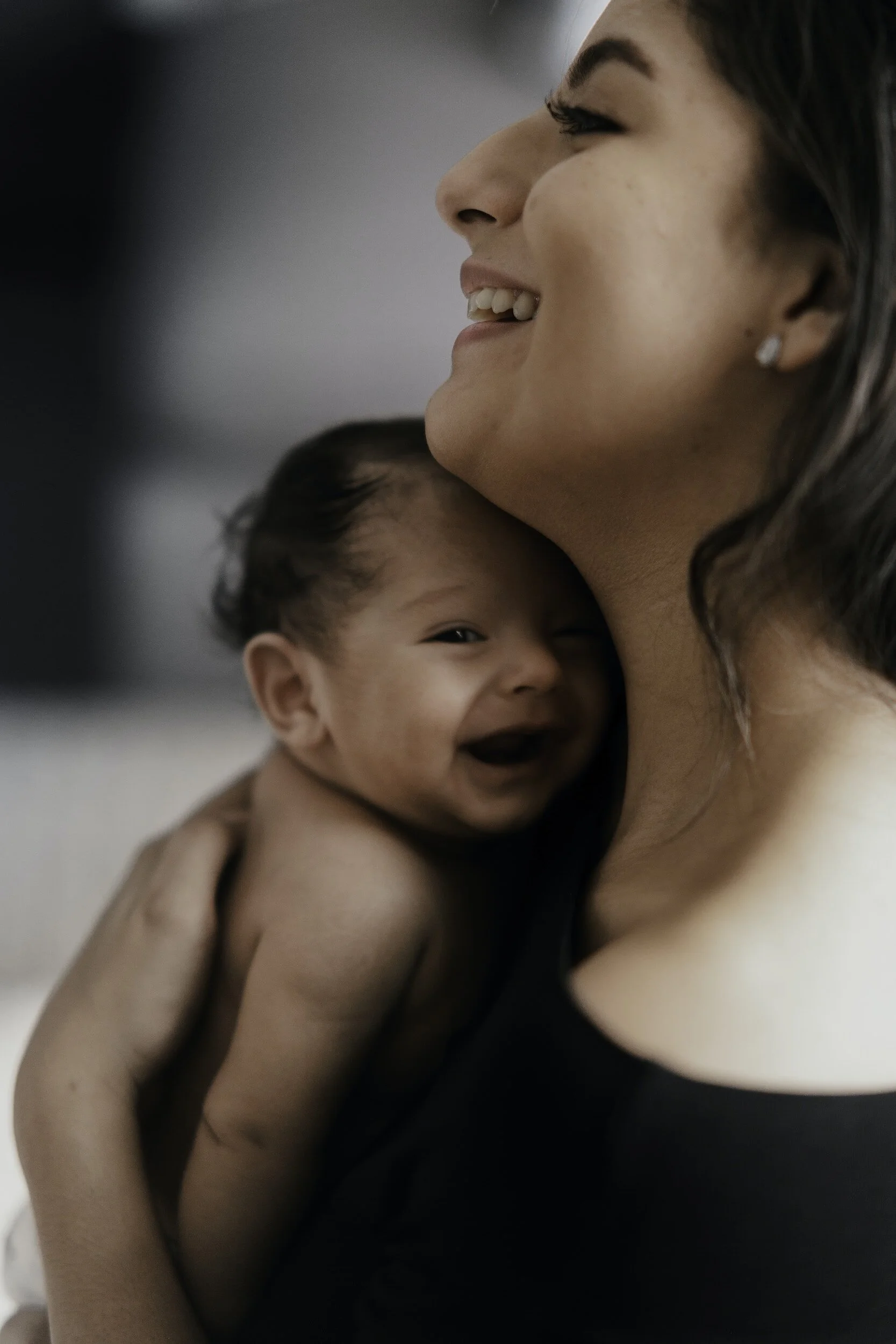
Pain With Sex Postpartum? It Might Be GSL.
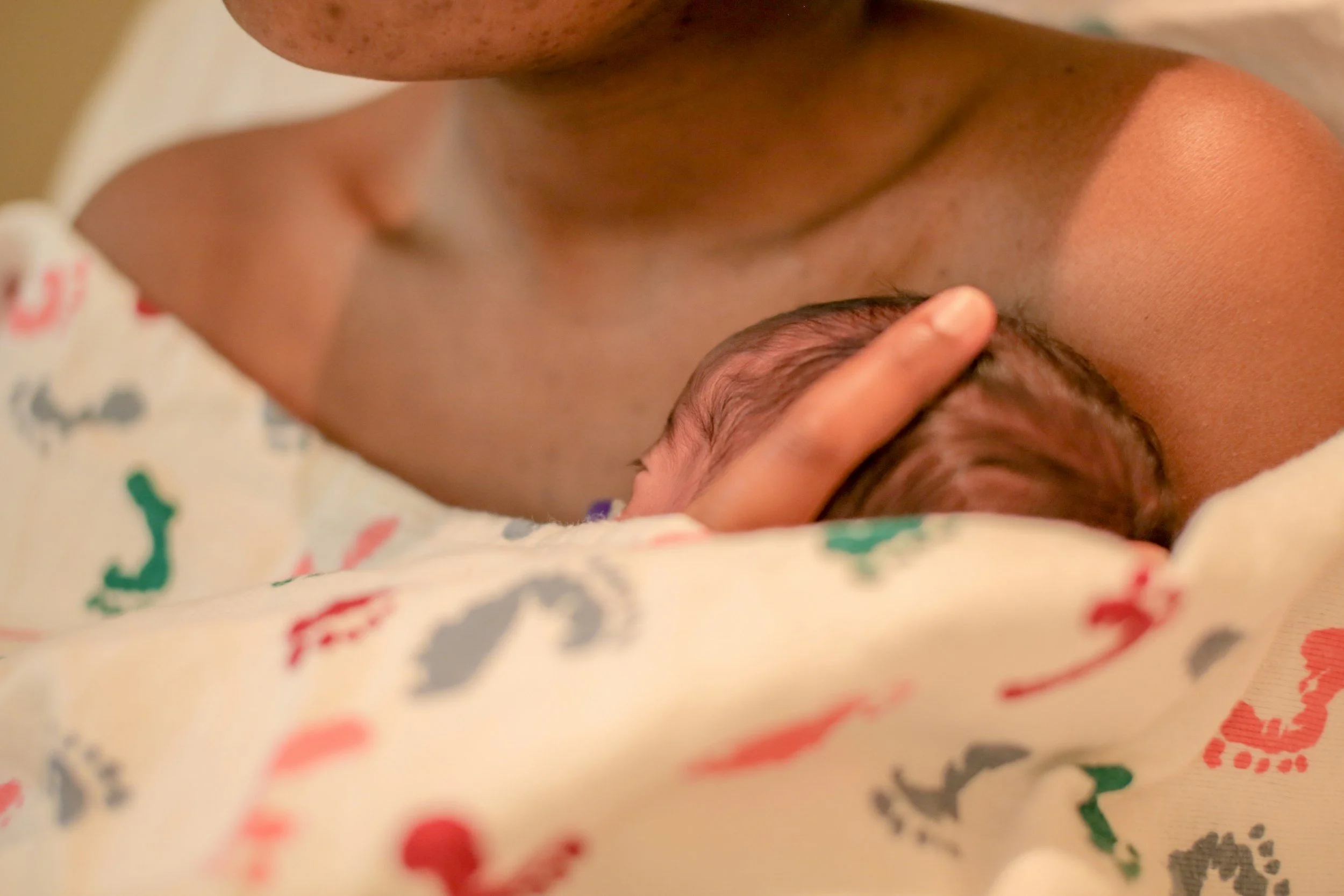
Painful sex and vaginal dryness are common after having a baby, especially while breastfeeding, but they aren't symptoms you simply have to live with. Learn how hormonal changes during lactation can affect your vaginal, urinary and pelvic floor health, and what treatment options can help.
Read More
Exercise in Pregnancy for Baby's Brain?
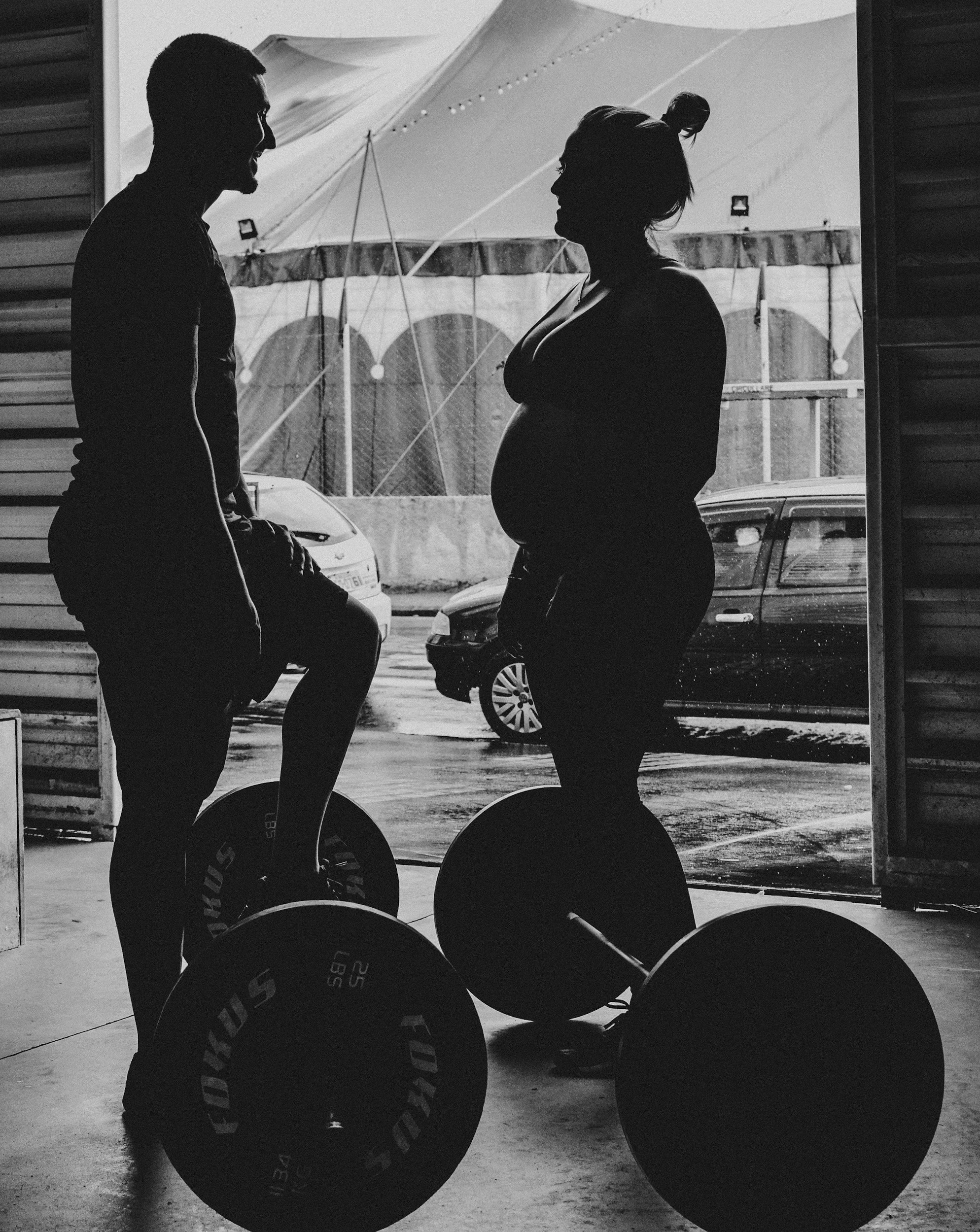
Exercise during pregnancy is recommended for the health of the pregnant person, but exciting new research suggests the benefits may extend to your baby as well. Learn how staying active before and during pregnancy may support your baby's brain, motor and cognitive development, why consistency matters more than perfection, and what this means for expecting parents.
Read More
Pain With Sex? There’s Support.
Pain during sex affects far more people than most realize, yet many never bring it up with their healthcare provider. Whether it's related to postpartum healing, endometriosis, pelvic floor muscle tension, vaginal dryness, or another underlying cause, painful intercourse is a symptom—not a diagnosis. Understanding why it's happening is the first step toward finding treatment and getting back to feeling comfortable in your body.
Read More
Matrescence: The Invisible Transition
Becoming a mother is more than pregnancy, birth, and caring for a newborn—it's a profound transition that affects your identity, relationships, brain, emotions, and everyday life. Known as matrescence, this often-overlooked stage helps explain why motherhood can feel both joyful and overwhelming. In this blog, Occupational Therapy student Sydney Hillis explores the science behind matrescence and shares how understanding this transition can foster self-compassion and help mothers access the support they need.
Read More
Can We Prevent Gestational Diabetes?
A gestational diabetes diagnosis can feel overwhelming, but it is not a sign that you've done something wrong. Learn what actually causes gestational diabetes, why pregnancy changes blood sugar regulation, and what evidence-based strategies can help reduce risk and support a healthy pregnancy for both parent and baby.
Read More
Birth Prep With a Naturopath & Pelvic Therapist
Preparing for birth is about more than just a birth plan. In this blog, Dr. Fiona Callender, ND explores how naturopathic care and pelvic floor therapy can help support your body, mind, and nervous system throughout pregnancy, labour, and postpartum recovery.
Read More
Checking Your Iron in Pregnancy
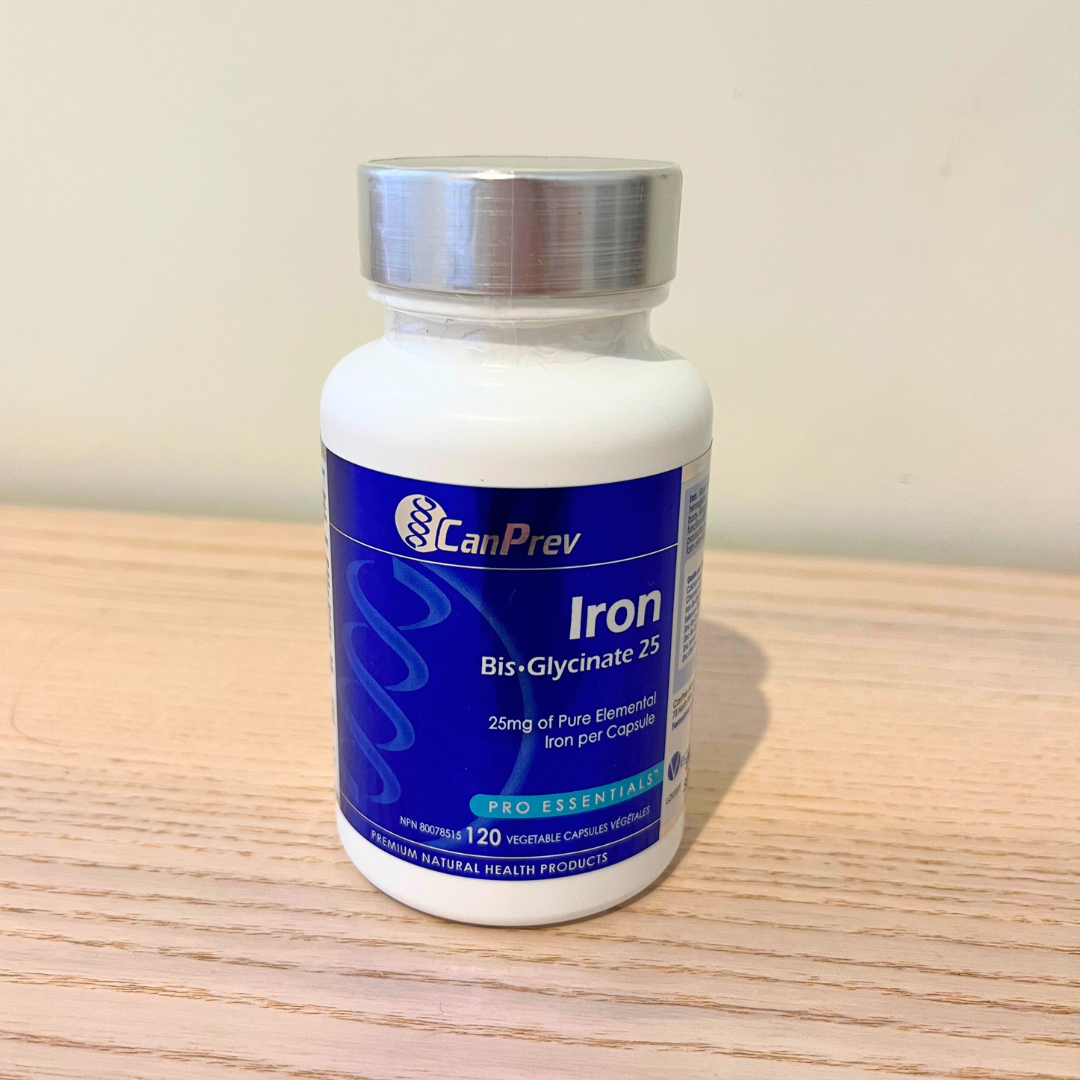
Iron deficiency is one of the most common nutritional concerns in pregnancy, affecting nearly 50% of pregnancies worldwide. Despite the prevalence, it’s not always approached with the urgency it should be, considering the critical role it plays in both fertility and pregnancy outcomes. Dr. Fiona explores the importance of iron in preconception and pregnancy care.
Read More
Microneedling for C Section Scars
Microneedling is an emerging treatment for surgical scars, including C section scars. Research suggests it may improve scar texture and appearance by stimulating collagen remodeling.
Read More
PCOS in Pregnancy: Preventing Miscarriage
Getting pregnant with PCOS is a major milestone—but it isn’t the end of the story. PCOS is more than an ovulatory disorder; it also affects metabolism, hormones, inflammation, and cardiovascular health. These factors play an important role in placental development and can influence pregnancy outcomes. In this blog, Dr. Fiona explores what happens in pregnancy after conception with PCOS, why early monitoring matters, and how targeted support can help reduce risks and promote a healthy pregnancy.
Read More
The 6 Week "All-Clear" Postpartum
The 6-week postpartum check isn’t the full “all-clear.” Learn what’s really assessed, what’s often missed, and how to safely return to movement, sex, and exercise.
Read More
Struggling to Sleep After Baby?
Sleep deprivation is common after birth, but quality may matter more than hours. Learn how postpartum exercise and simple habits can support better sleep and recovery.
Read More
Pelvic Floor Therapy in Pregnancy
Discover how pelvic floor physiotherapy supports pregnancy—reducing urinary incontinence, pelvic pain, and promoting strength, comfort, and postpartum resilience.
Read More